
Shirts for Dover Days…and other events!
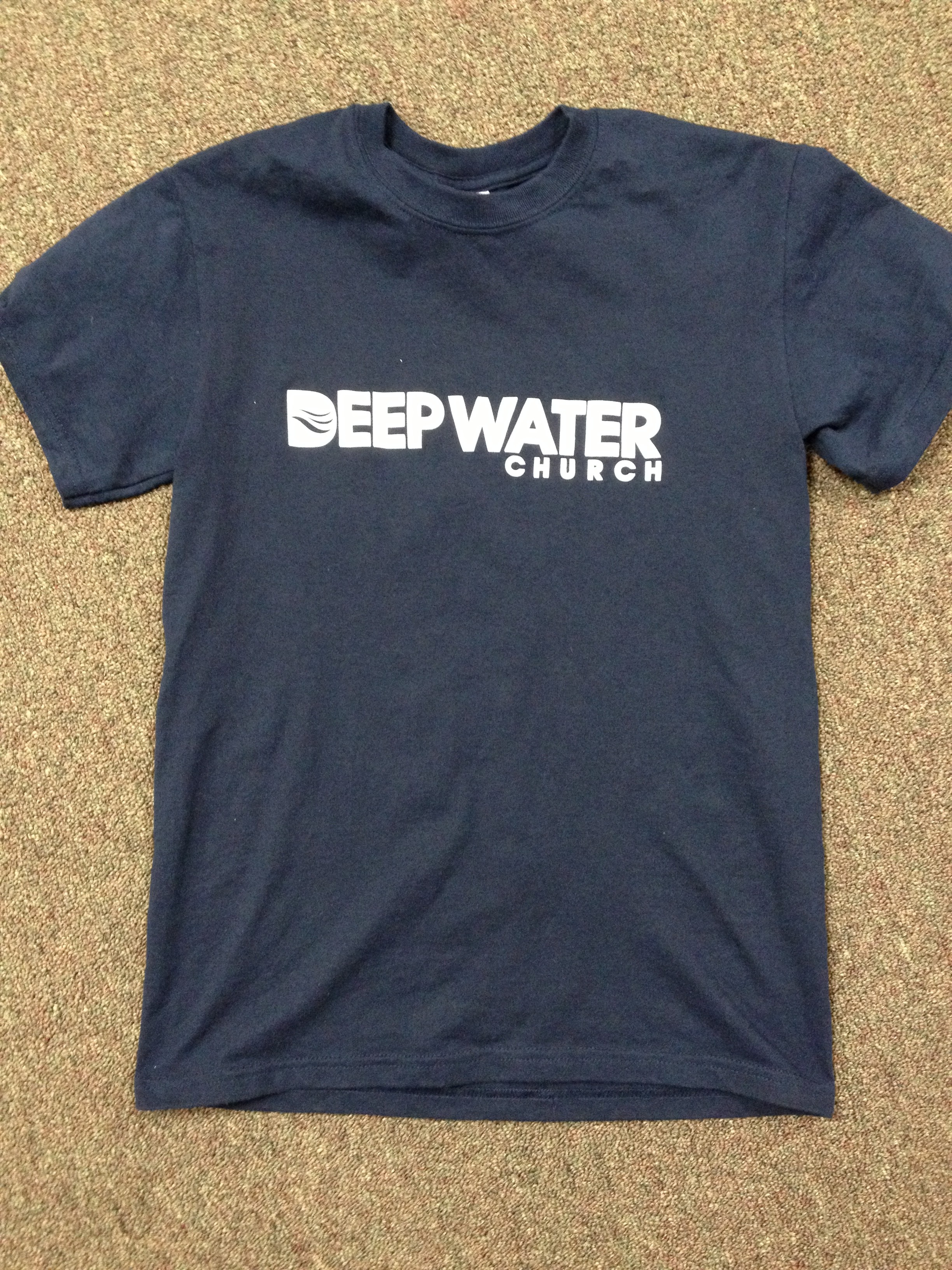
While many people spend thousands to be dressed stylishly, you can dress stylishly for about $12. That’s right, you too can be the owner of the ultra-hip, coolest shirt of the season: The Deep Water Church T-shirt (See picture below). You’re not required to have one to help out with Dover Days or other events, but if you want to get one, let us know since we’ll be ordering shortly. Once we know about how many people are interested, we’ll get an exact price.
What is Dover Days?
Dover Days is a fun local event celebrating Dover’s history. While Deep Water has a pretty short history, we do love being a part of this community.
We plan on setting up a booth on Saturday and telling people about who we are and why we do what we do. If you call Deep Water home, we’d love for you to get the opportunity to help us with passing out literature & cool swag, talking to people–and playing lots of cool games with kids. If you want to help us, mark the date on your calendar: May 4. If you want to get invlved in the planning and prep work or want more information, or contact me!
Parking Update for April 4, 2013
The parking lot construction picked up again this week. There are now plenty of spaces available in the large lots off North Street. Feel free to use either lot on Sundays or weekdays after 5pm. of course, you are also free to park on Loockerman St.
Please do not park in the small lot adjacent to the building. The spots are assigned to residents and we want to be good neighbors!
During weekday work hours, be sure to use the temporary parking passes (Get one from me, Jeff.) until the signage for our part of the lot is completed.
Parent Cue Primer
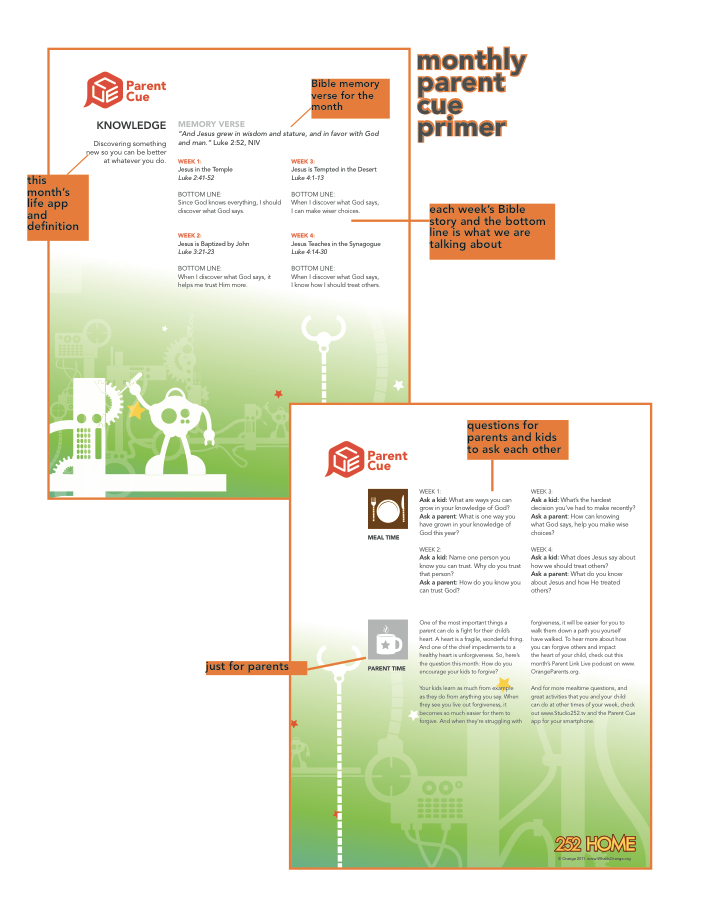
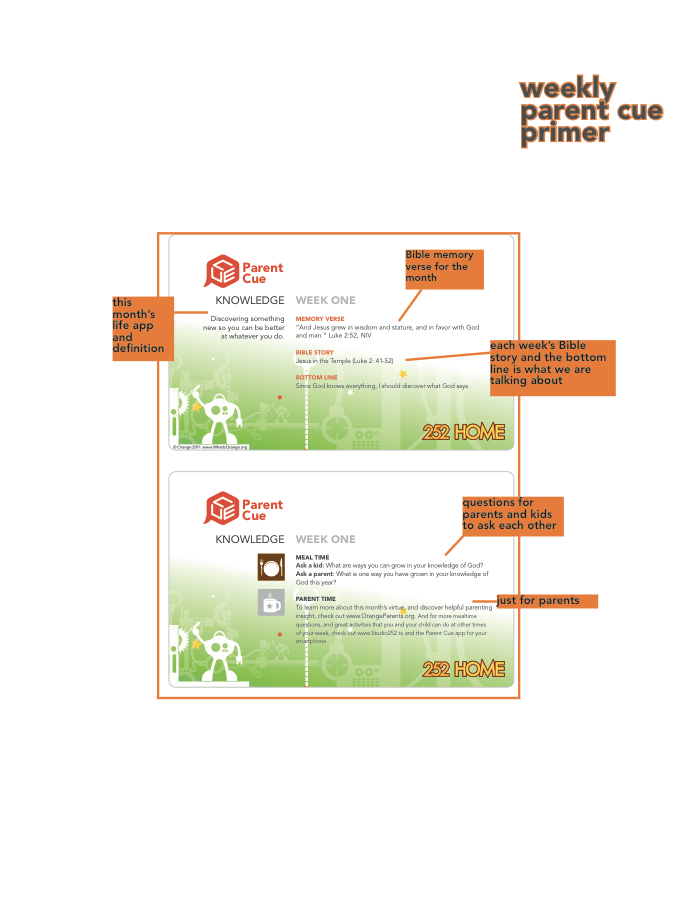
Each week we supply a “Parent Cue” to help parents lead their children spiritually. If you’re not exactly sure what to do with it, here’s an example of what gets posted for parents and what to do with it. If you’re having trouble viewing this, download it here.
How to Study the Bible–Part 4
In Bible study, many study tools are available. The right tool makes most jobs easier–and produces better results. Before we can move to interpretation, we need to use the right tools to fill in some information about our initial observations. When just starting out, don’t feel like you have to use every one of these resources below. This list is just to help you get familiar with what is out there so you know where to look for information when you need it. Of course, I would love to help you get started, so feel free to connect with me.
Here are a few helpful resources:
Resources
Bible: This, of course is our primary text. There are many different translations available. Many debate what the “best” translation is for today. There are some that are poor translations and purposely deceptive, but that is beyond the scope of this blog topic. While we may discuss this at some length later, at this point, the two I recommend the most are the NIV (New International Version) and NLT (New Living Translation). The ESV (English Standard Version) is also very reliable and recommended.
Concordance: This books allows one to look up a word in a particular translation. Then the student can see many or all (if the concordance is “exhaustive”) occurrences of that particular word in that translation. One can then easily read other verses in which the word is used. Often a short version of one of these is located in the back of many Bibles.
Bible Dictionaries: Much like a regular dictionary, this dictionary defines and explains people, places and concepts found in the Bible. There are many different ones that range from inexpensive to costly.
Word Study Dictionaries: This is a specialized dictionary that looks at the way the original words from the New Testament (written in Greek) or Old Testament (written in Hebrew) are used.
Commentaries: These books give an author’s comments on the text. Normally these contain a mix of both comments on facts and how they believe it’s best to interpret the text.
Study Bible: This is a Bible that contains a short commentary on most of the key verses. It often also has detailed maps, a more detailed concordance, articles and other study aids. Many people who are just starting to read the Bible and study it, find this to be the most helpful resource.
Many resources today are available online. Many times there are good books available for free, but often the free ones are not the best ones available today. New resources are continually being added to the web, so this list is not meant to be exhaustive. But here are a few to get you started:
Bibles, Commentaries & Other Resources
Bible Gateway Bible & IVP Commentary
YouVersion
Faithlife Study Bible
BibleMap.org
With the growing popularity of smart phones, there are also many apps available for phones and tablets. Here are a few apps to find in the app store for iOS or Android:
YouVersion
Logos
Faithlife Study Bible
The resource list here is in no way an exhaustive list of what can be found. Rather, it’s a list of resources that others I know have found useful in studying the Bible. If you find some others to be useful, comment below or contact me! There are also a lot of software packages for Bible Study. See me if you want to discuss them.
Assignment: Using your previous observations, find out more about the things you observed.
For example: One of my observations was that Mary was “at the Lord’s feet”
The Holman Christian Standard Bible and Faithlife Study Bible both comment that “at the Lord’s feet” was the posture of a committed disciple.
Parent Cue for the 5th week of March 2013 (Easter)
As a church, we want to supply resources to help you as a parent move your kids forward in their journey of faith. To help you, we supply a weekly “Parent Cue” and “Kids Devotional”. The Parent Cue normally helps you discuss the week’s lesson and Bible story with your child. This week, Kids Church met with us in the main gathering. But we still have a resource for you to discuss with your child–just not one for the lesson. For this week’s parent Cue, click here to download it.
For older kids, we also have Kids Devotional material that goes along with what we’re learning in Kids Church. Encourage kids to choose four different days during the week to do these devotions. Most 4th and 5th graders are capable of having a “quiet time” on their own, once they’ve been taught how to do it, but they still need an adult to prompt them and/or follow up on it. Even though kids in early elementary (kindergarten through 3rd grade) are beginning to read things on their own, most are not mature enough to have a God time by themselves. This is something extra you may choose to do with your younger kids. Click to download it here.